Darren Barefoot Legacy Fund
For storytellers on the side of the angels
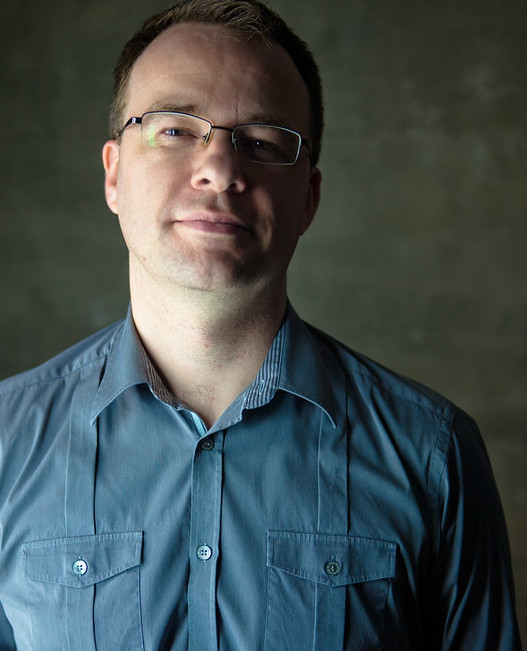
The Darren Barefoot Legacy fund was created to build the skills and capabilities of storytellers who work for climate action or as Darren would say, “on the side of angels.”
Darren firmly believed that tackling climate change goes beyond mere information; it demands compelling communication. The fund seeks to elevate skilled professionals who can effectively convey the urgency of the climate crisis through powerful storytelling.
Nurture Tomorrow’s Leaders
For storytellers on the side of the angels
To make a lasting impact, we aim to raise $100,000, ensuring the perpetual operation of the fund. This longevity enables sustained support, allowing us to annually contribute to an emerging leader in a climate action nonprofit. These contributions will be directed towards activities like attending skills-building conferences, participating in communications courses, or receiving valuable communications coaching.
Your financial contribution is not just a donation. It is an investment in the communicators shaping the narrative of climate action. By supporting the Darren Barefoot Legacy Fund, you amplify the impact of their work, ensuring that Darren’s vision of a better, more sustainable world endures.
Join us in building a legacy of positive change.
The fund is set up as a registered charity for Canadian and US donors through the Vancouver Foundation.
Frequently asked questions
Is the Darren Barefoot Legacy Fund held at a registered charity?
Yes. It’s a donor-advised fund administered by the Vancouver Foundation through their Memorial Funds program. Charitable Registration No.: 11928 1640 RR0001
Do I get a tax receipt for my donation?
Yes, any donation online will receive a tax receipt for the year the donation was made.
Can I support the Darren Barefoot Legacy Fund in other ways?
Yes, we’re always looking for ideas for fundraising and getting the word out.
Will you be holding more fundraising events?
Yes, we plan to continue to build the Darren Barefoot Legacy Fund and honouring Darren’s memory.
Where do funds go from the Darren Barefoot Legacy Fund?
Donated funds will honour Darren’s values and support the capabilities building of the next generation of marketing and communication professionals dedicated to climate action.
Can I donate securities or other financial instruments?
Yes, for almost all types of securities. Talk with us and we can provide instructions together with the administrator of the fund, the Vancouver Foundation.
Can I make a donation and get a US tax receipt if I’m American?
Yes, though our fund administrator only issues tax receipts for gifts of USD $1,000 or more. Please ask us to help you through the process if this is something you’re interested in.
Where is the money for the Darren Barefoot Legacy Fund invested?
It is invested by the Vancouver Foundation in one of their funds called the Socially Responsible Investment Fund, “a balanced fund that screens out companies involved in fossil fuels, military weapons, nuclear power utilities, and tobacco.” Read more in the SRI Investment Policy PDF document.
How much money is in the fund now?
As of February 7, 2024 there was just over $71,492.93 (CAD) in the fund. Our goal is to raise $100,000 (CAD) and put $5,000 / year into action.
Have other questions? Please ask us and we’ll be happy to help out. James Sherrett is one of the fund administrators: sherrett@gmail.com
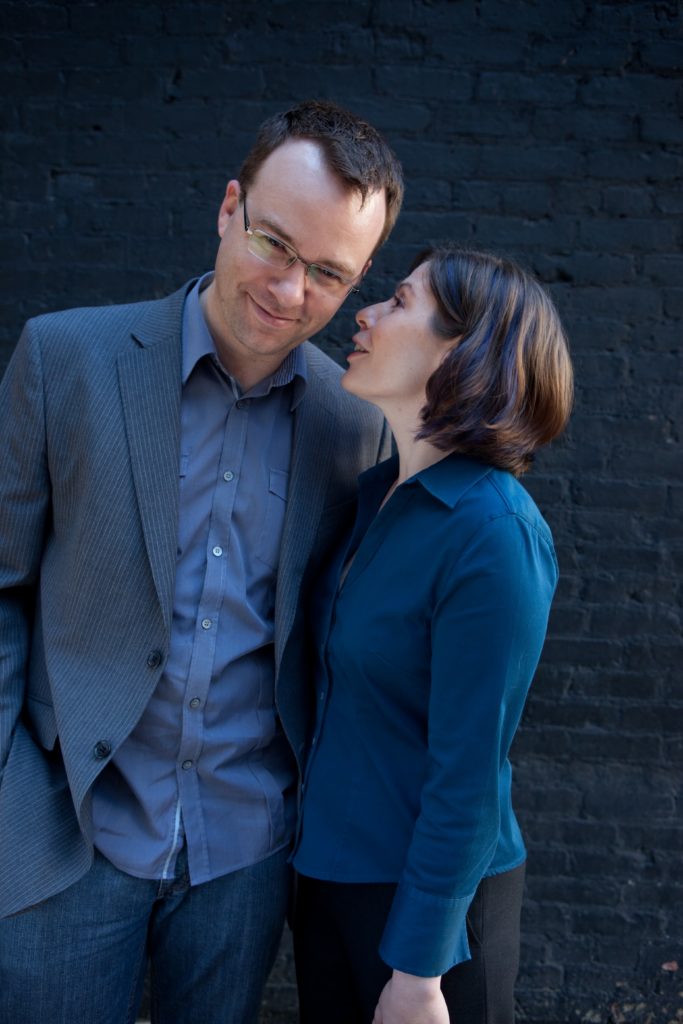
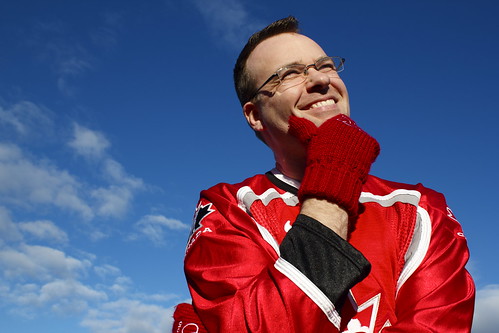
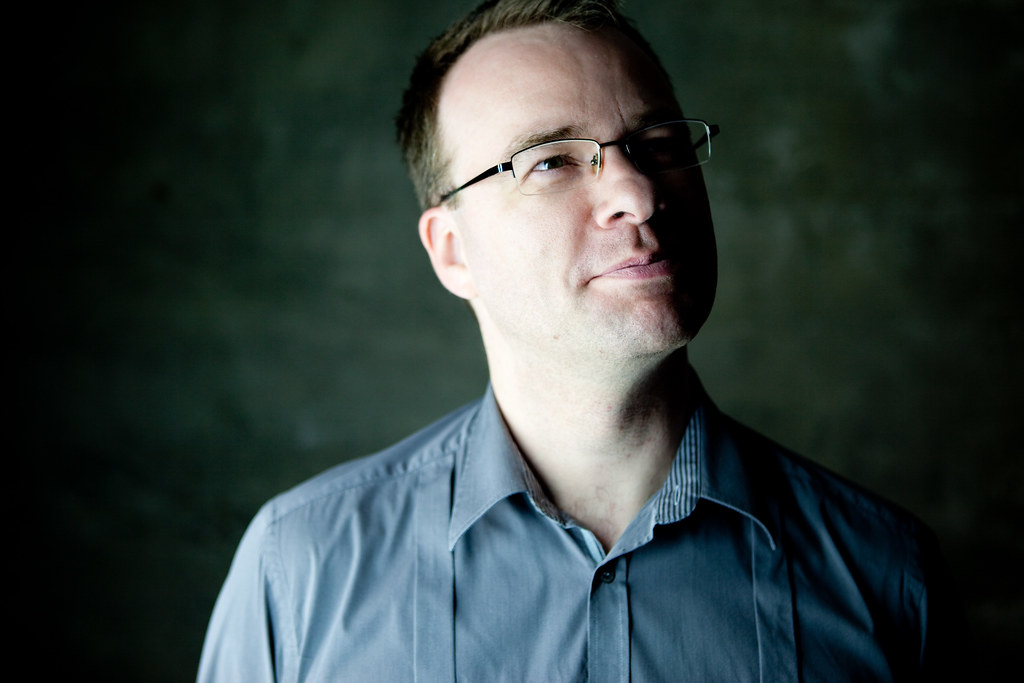

Honouring Darren Barefoot
Mentor, Changemaker, Husband
April 25, 1974 – February 20, 2023
Darren Barefoot was a mentor to many and a dedicated changemaker who understood the power of storytelling to create change.
Darren drove climate change action and impact through his work with the United Nations Climate Change Secretariat and Capulet Communications where he worked with organizations like Canadian Parks and Wilderness Society and Ecojustice.